Loading...
_20260304T114534222Z.jpg)
Travel
Avalanche Ooty - The Complete Guide to Avalanche Lake, Trekking and Camping in the Nilgiris

Team Social
4 Mar 2026If you’ve explored Ooty town and found it crowded, commercial, and predictable, then Avalanche Ooty is the chapter you haven’t read yet. Avalanche Lake is located in Tamil Nadu, offering a unique escape into the region’s natural beauty.
Located about 28 km from Ooty city center, Avalanche Lake Ooty sits quietly inside the high-altitude folds of the Nilgiris. It isn’t loud, it isn’t flashy, and it isn’t fully open-access. Prior permission from the forest office in Ooty is required to visit Avalanche Lake due to its protected status. And that’s exactly why it remains one of the most beautiful wilderness pockets near Ooty.
Avalanche Lake was formed in 1823 due to a huge landslide, a dramatic geological event that shaped the lake and its scenic surroundings.
This guide covers everything you need to know about:
Avalanche Lake lies beyond Emerald Lake on the Upper Bhavani side of Ooty, inside the larger landscape of the Nilgiri Biosphere Reserve.
Distance from Ooty: 23–28 km
Travel time: 45–60 minutes (depending on weather). Avalanche Lake is approximately 28 km from Ooty and can be reached by bus or taxi. The nearest airport is Coimbatore, which serves as the main air gateway to Ooty and offers flights from major cities. Private cab rentals are also available from top car rental companies in Ooty, providing a comfortable and scenic journey to Avalanche Lake.
The road from Ooty to Avalanche gradually shifts from regular hill roads to narrower forest-lined stretches, passing through scenic tea estates. Morning mist is common, especially post-monsoon and during winter months.
Emerald Lake is located only 5 km from Avalanche and is often visited on the same trip.
Unlike Ooty Lake or Botanical Garden, Avalanche Lake Ooty is inside protected forest land.
At the Avalanche checkpoint:
This regulated entry system keeps Avalanche Ooty quieter and less commercial than other attractions.
It feels less like a tourist stop and more like entering a protected landscape.
Avalanche Lake itself is relatively small, but the surrounding environment makes it feel expansive.
The landscape includes:
Avalanche Valley is a picturesque and tranquil natural area known for its lush greenery, diverse birdlife, and serene environment, making it a haven for nature lovers and birdwatchers. The area is also home to rich shola forests, which are ecologically significant and support a wide variety of flora and fauna, including tigers and leopards. The forests and grasslands are inhabited by wild animals such as barking deer, sambar deer, sloth bear, and other wildlife, highlighting the rich biodiversity of the region.
The Nilgiri Biosphere Reserve, which includes Avalanche Lake, is recognized as a UNESCO World Heritage Site for its ecological and natural significance.
The region boasts an abundance of flowering plants, with over 2,700 varieties including magnolias, orchids, and rhododendrons. After the monsoon season, the area around Avalanche features vibrant, rare flower species and waterfalls, with lovely flowers adding to the scenic beauty of the lake and its surroundings. The best time to visit Avalanche Lake is after the monsoon season when the water level is high, enhancing both the visual appeal and opportunities for outdoor activities.
Avalanche Lake offers camping, trekking, trout fishing, picnic, photography, and adventure sports for visitors. Picnic and photography are especially popular activities at Avalanche Lake, surrounded by scenic hills and forests.
Avalanche is known for its trout fishing, with a trout hatchery established in 1907. The best time for trout fishing is after the monsoon season when the water level is high and trout are more active. The trout hatchery near the lake provides fishing essentials and fishing rods for visitors, making trout fishing accessible and enjoyable for anglers of all levels.
The name “Avalanche” is believed to come from a landslide event in the early 1800s that altered the water flow and shaped the basin.
Today, Avalanche Lake is calm, scenic, and framed by forested hills.
Avalanche Ooty is not just about the lake itself it’s surrounded by a tapestry of attractions that invite exploration and adventure. Just a short drive away, Emerald Lake offers a tranquil escape with its glassy waters reflecting the surrounding hills. This serene spot is perfect for nature lovers seeking quiet moments, birdwatchers hoping to spot endemic species, or photographers chasing the perfect sunrise.
For those who love to explore, the trek to Upper Bhavani is a rewarding experience. The trail winds through dense forests and rolling landscape, unveiling breathtaking views of the Nilgiri hills and valleys. Adventure seekers will find plenty of opportunities to challenge themselves on these scenic routes. The Bhavani Temple is another notable site included in guided safari tours within the Nilgiri Biosphere Reserve, and is accessible via forest department transportation.
Nearby, the Toda Village provides a unique cultural experience. Visitors can learn about the indigenous Toda community, their traditional barrel-shaped homes, and their deep connection to the Nilgiris district. The area is also dotted with organic farms and vegetable gardens, offering a glimpse into local agriculture.
Tour packages often include visits to Avalanche Lake, Emerald Dam, Bhavani Temple, and other nearby attractions.
Whether you’re looking to relax by a peaceful lake, embark on a trek through the surrounding hills, or immerse yourself in local culture, Avalanche Ooty and its neighboring attractions promise something special for every visitor.
A visit to Avalanche Lake isn’t complete without experiencing the Avalanche Dam, a striking feature nestled amidst lush greenery. The dam not only enhances the scenic beauty of the area but also plays a crucial role as part of the Kundah Hydro Power stations, supplying electricity and supporting the region’s water supply. Avalanche Lake and Emerald Dam serve as a major source of water for the Kundah Hydro Power stations, highlighting their importance in the region’s water infrastructure.
The short trek to the dam rewards visitors with panoramic views of the valley and the surrounding hills, making it a favorite spot for photographers and nature lovers alike. The area is alive with the calls of various bird species, making it a haven for bird lovers hoping to spot both common and rare birds in their natural habitat.
Surrounded by thick forests and rolling grasslands, the Avalanche Dam area is perfect for those seeking a peaceful retreat into nature. Whether you’re interested in the dam’s engineering significance or simply want to soak in the scenic beauty, this spot is a must-visit on any Ooty tour.
Planning your visit to Avalanche Lake is an essential step for nature lovers and adventure seekers eager to experience one of Ooty’s most cherished eco-tourism destinations. To ensure a smooth and delightful experience at this pristine lake, it’s important to be aware of the entry fee and the official timings.
Entry Fee: A nominal entry fee is charged for all visitors to Avalanche Lake. This fee helps support eco-tourism initiatives and the conservation of the surrounding Nilgiri Biosphere Reserve. The entry fee typically covers your access to the lake area and includes the cost of the mandatory forest department vehicle ride from the checkpoint to the lake. Fees may vary for adults, children, and foreign tourists, so it’s a good idea to check the latest rates at the forest office or official tourism websites before your trip.
Timings: Avalanche Lake is open to visitors from 9:00 AM to 3:00 PM, with the last entry usually allowed around 2:00 PM. These timings are strictly enforced to protect the delicate ecosystem and ensure visitor safety, especially as the area is surrounded by dense forests and wildlife habitats. Arriving early in the day not only guarantees entry but also allows you to enjoy the tranquil beauty of the lake before the afternoon crowds.
One of the biggest confusions about Avalanche Ooty is whether you need special permission to visit.
Here’s how it works in practical terms.
Avalanche Lake lies inside protected forest land within the Nilgiri Biosphere landscape. Because of that, entry into the interior zone is regulated — but that does not mean you need to apply weeks in advance just for a normal visit.
When you travel from Ooty toward Avalanche (via Emerald Lake), you’ll reach a forest department checkpoint before the deeper reserve area.
At this checkpoint:
This on-the-spot registration acts as your entry permission.
Beyond the checkpoint:
This system controls crowd volume and protects the ecosystem.
Advance permission may be required if you are:
In such cases, coordination usually happens through:
For regular visitors exploring Avalanche Lake through the standard route, the checkpoint process is typically sufficient.
Avalanche Ooty is not a theme park.
It is part of a protected high-altitude ecosystem that includes:
The regulated access isn’t meant to discourage visitors, it’s what keeps the landscape intact.
And ironically, that controlled entry is what makes Avalanche feel different from the rest of Ooty.
If rules change, the forest checkpoint is the most reliable source of updated information on the day of your visit.
For many travellers, trekking in Avalanche is the main reason to visit.
Trekking is popular in Avalanche with trails through thick Shola forests and meadows. Trekking around Avalanche Lake provides breathtaking views and is popular among adventure seekers. In addition to trekking, adventure activities like rafting are also available in the area.
Because Avalanche lies inside protected forest land, structured treks operate in coordination with authorized programs and forest regulations.
Travel tips: When trekking in Avalanche, wear sturdy shoes as the terrain can be challenging. Pack light, carry water, and respect local customs and environmental guidelines to ensure a safe and enjoyable experience.
_20260304T114310201Z.jpg)
Two popular trekking routes near Avalanche Lake are:
The Devarbetta trek offers a balanced Nilgiri trail experience.
Terrain:
Difficulty: Moderate
This trek allows you to experience the shola–grassland ecosystem up close. You move between shaded forest pockets and open ridges with wind exposure and valley views. Trekkers may also spot wildlife native to the region, such as the Nilgiri Thar, especially along the Devarbetta trail.
It’s steady and immersive rather than extreme.
Cauliflower Betta is one of the most visually striking ridges near Avalanche.
Named after a summit rock formation resembling a cauliflower crown, this trek is more open and grassland-heavy than Devarbetta.
Terrain:
Difficulty: Moderate
On clear days, the summit offers expansive views across the Nilgiris.
These two treks Devarbetta and Cauliflower Betta can be booked through Exoticamp, which operates in collaboration with Trek Tamil Nadu. Exoticamp offers well-organized guided trekking experiences that ensure safety, local ecological knowledge, and an immersive adventure.
In addition to these treks, Exoticamp also organizes seasonal wilderness trips on private property near Avalanche. These trips provide a more secluded and intimate experience of the Nilgiris’ natural beauty, combining trekking with camping and nature exploration, ideal for those looking for an exclusive wilderness getaway.
Yes.
Most structured trekking in Avalanche operates with forest coordination.
Independent off-trail trekking inside protected zones is restricted.
Before planning trekking in Avalanche:
One of the most searched phrases is camping in Avalanche.
Here’s the important clarification:
Camping is not allowed inside core protected forest areas around Avalanche Lake.
Camping usually happens in:
This is not luxury glamping.
It is simple, cold, highland camping.
Best months for camping in Avalanche:
Because Avalanche Ooty lies within the Nilgiri Biosphere landscape, activities here follow eco-tourism principles. Avalanche Lake is a popular eco-tourism spot known for its scenic beauty and biodiversity. Tourists visiting Avalanche Lake participate in eco-tourism activities such as trekking, camping, and nature walks, engaging responsibly with the natural environment and supporting the local economy.
Common eco-tourism activities include:
Horse riding is also available near Avalanche Lake, offering visitors another way to enjoy the scenic outdoors.
Short guided walks focusing on:
Visitors are encouraged to explore Avalanche Lake through nature interpretation walks, discovering the unique flora, fauna, and landscapes of the area.
Avalanche forests and grasslands may host:
Avalanche Valley is a haven for birdwatchers, thanks to its rich birdlife and tranquil natural surroundings.
Wildlife sightings are possible but never guaranteed.
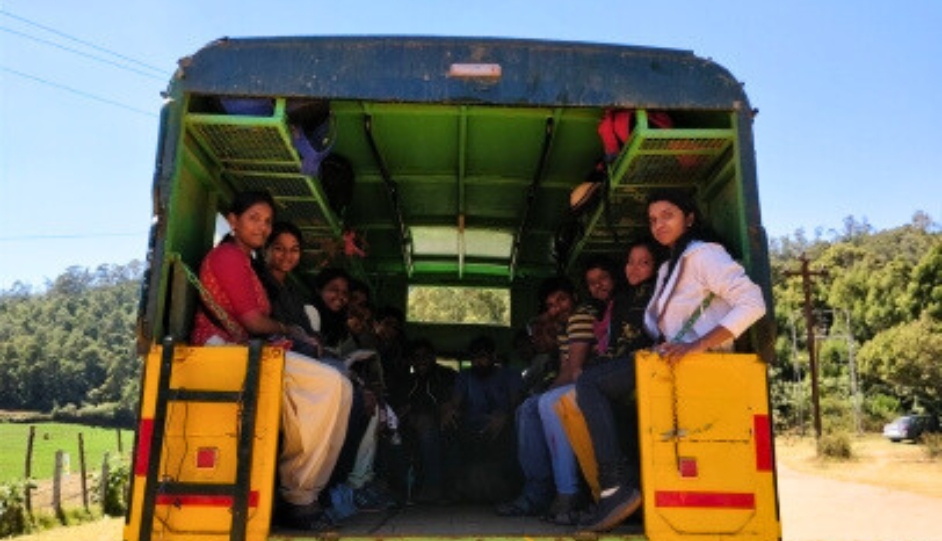
Forest-department operated vehicles take visitors toward lake viewpoints and regulated interior access routes. The safari typically lasts about two hours, offering a chance to explore the pristine wilderness of Avalanche Valley while minimizing human impact on the environment. These safaris include stops at key points such as the Bhavani Temple and scenic viewpoints overlooking Avalanche Lake and the surrounding hills. Private vehicles are not permitted beyond the checkpoint, so visitors must rely on these government-run buses or authorized jeeps. The safari provides an excellent opportunity for nature lovers and bird watchers to spot endemic species and observe the rich biodiversity of the Nilgiri Biosphere Reserve in a safe and controlled manner.
Avalanche Ooty isn’t built for instant gratification.
There are no neon signboards.
No crowded boating queues.
No café strips lining the lake.
Instead, there is:
Cold wind moving across grasslands.
Shola forests sitting quietly in valley folds.
Mist rising slowly from Avalanche Lake in the early morning light.
The restricted access, the forest checkpoints, the regulated transport these are not inconveniences. They are the reason Avalanche still feels intact.
In a hill station that has steadily grown commercial over the decades, Avalanche remains one of the few places where the landscape still dictates the experience not the other way around.
If Ooty is the introduction,
Avalanche is the deeper chapter.
And for those willing to go a little further beyond the town’s familiar edges, it’s where the Nilgiris feel most authentic.
Back
Popular Post
Yes. Avalanche Lake is located inside protected forest land within the Nilgiri Biosphere Reserve. Visitors must pass through a forest department checkpoint, and access beyond that point is regulated. In most cases, entry into the interior zone requires using forest-authorized vehicles.
Private vehicles are generally allowed only up to the Avalanche checkpoint. Beyond that point, visitors must use forest-department buses or authorized jeeps to reach Avalanche Lake and interior viewpoints.
Avalanche Lake typically operates during daytime hours, usually from morning until mid-afternoon. Entry closes earlier than most Ooty town attractions, so arriving before 9:00 AM is recommended. Timings may vary depending on season and forest department regulations.
Camping is not allowed inside the core protected forest area around Avalanche Lake. Camping typically takes place in buffer zones or approved private land near Avalanche Road, operating within local permissions and regulations.
Yes, trekking in Avalanche is permitted through structured and authorized routes. Popular trails include Devarbetta and Cauliflower Betta. Independent off-trail trekking inside protected zones is restricted and requires forest coordination.
The best time to visit Avalanche Ooty is from October to March for cool weather and clearer visibility. March to June is also pleasant. Monsoon months bring lush greenery but heavier mist and slippery road conditions.



_20241220T111256111Z.jpg)
_20240802T132547842Z.jpg)
_20240829T102838750Z.jpg)
