Loading...
_20261029T062327606Z.png)
Trekking
Kumbakarai to Vellagavi Trek: Difficulty, Water Availability & Camp Stay

Team Social Exoticamp
26 Oct 2026Have you ever craved an adventure that completely disconnects you from the rush of everyday life while wrapping you in raw nature? The Kumbakarai to Vellagavi trek is that kind of offbeat escape into the Palani Hills.
The trail takes you past cascading waters, through dense emerald forest, and into a remote, time-forgotten village with no motorable road.
The official route is approximately 14 km one-way. It typically involves around 12 hours of trekking spread over 2 days, with overnight camping at Vellagavi.
October to January is generally considered a useful trekking window, subject to local weather and trail conditions. The trekking trail typically closes from 15 February to 15 April.
Forest department permissions or entry clearances are generally required. The route is best done with an authorised local guide and organised group.
Thinking of planning your Kumbakarai to Vellagavi trek trip? This guide's for you. Here, we will walk you through everything you need to know for a smooth and stress-free trip. Dive in, then!
The trek begins near Kumbakarai Falls. After meeting your authorised guide and group, you cross the initial section and enter the trail. The path quickly becomes steeper as it climbs through forest and coffee plantation areas.
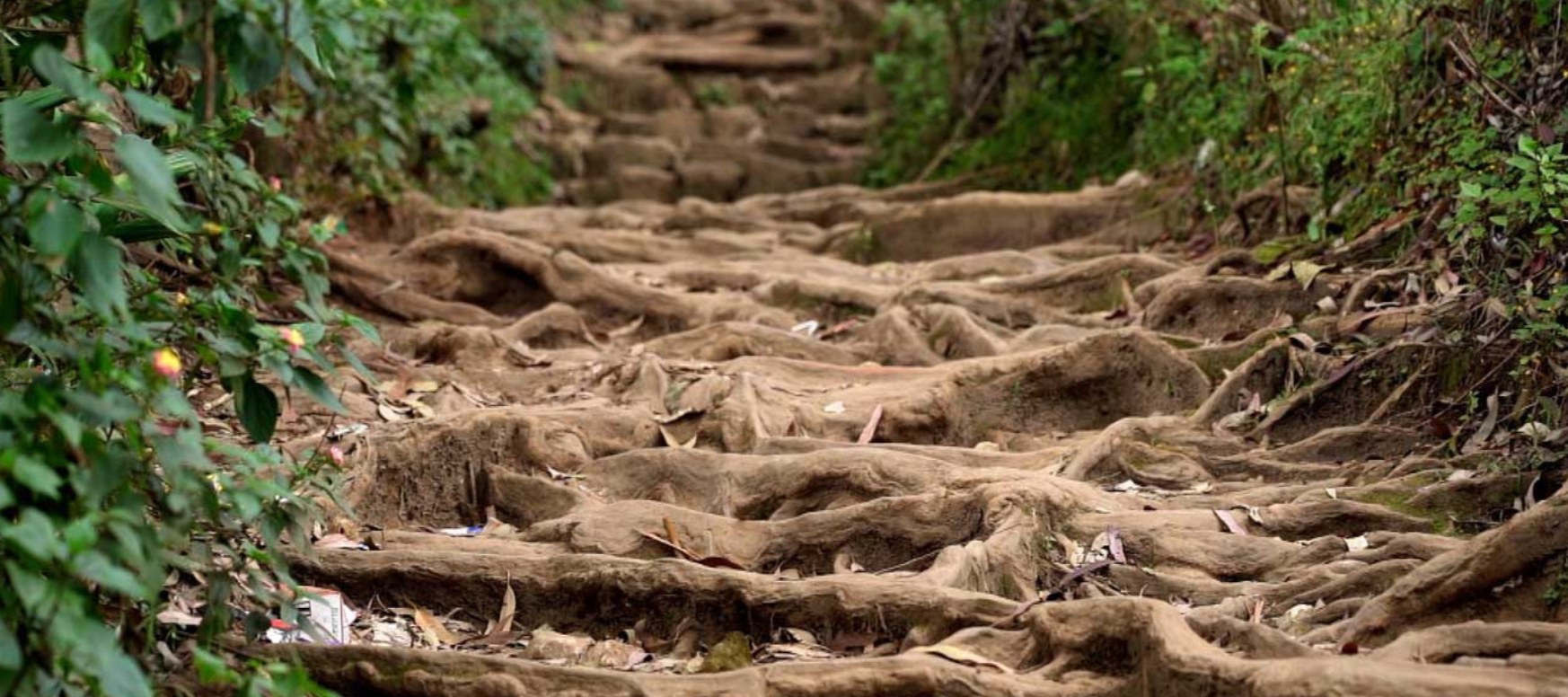
Sturdy trekking shoes with good grip are essential. The terrain is uneven, with loose soil, roots, and rocky stretches that require steady footing and good fitness.
As soon as you are past the starting point, the real adventure unfolds. The trail immediately dives into a thick, thriving forest canopy where sunlight filters through giant trees.
Navigating this terrain requires steady focus. The ground can be uneven, and wearing sturdy shoes is an absolute must to prevent any slips on loose soil or wet roots.
The distance covers shifting terrain, moving from shaded groves to exposed rocky patches that offer sweeping glimpses of the deep valley below. Along the way, you might encounter moments where the path feels a bit unclear, which is why travelling with a knowledgeable local guide is so important. They help ensure nobody takes a wrong turn.
As you push deeper into the hills, the sheer scale of the surrounding mountains humbles you. It can get quite exhausting, especially during the continuous ascents, so taking a short rest to catch your breath is crucial. Listen closely to your body and drink water before you feel parched.
Leaving the thick green trees behind, you step into a secluded, centuries-old settlement.
The Vellagavi village trek feels less like regular tourism and more like stepping straight into a living history book. This centuries-old hamlet has no motorable roads. Everything, from daily provisions to building supplies, is carried entirely on foot or by the resilient locals.
As the community deeply respects its traditions, visitors are often asked to take off their shoes before entering the sacred core of the settlement. Walking barefoot or in clean socks on these historic stone paths is a humbling experience.
Water can be limited or unavailable for much of Day 1. Many trekkers report no reliable natural water sources along the ascent from Kumbakarai to Vellagavi.
Carry sufficient drinking water for the entire first day’s climb (a minimum of 2 litres per person is commonly recommended, more in warmer conditions). You can refill at the Vellagavi campsite once you arrive. Do not rely on finding streams or other sources on the trail itself.
As twilight descends, the temperature drops, bringing crisp, cool weather that makes the prospect of Vellagavi camping incredibly inviting.
Setting up tents in designated camping spots gives you a front-row seat to one of the most serene night skies you will ever witness. There are no blinding city lights here; just twinkling stars overhead and the gentle, rustling sounds of nature all around.
The Vellagavi trek and camping experience takes you through scenic forest trails before you reach the quiet village setting where you pitch your tents. It is a rewarding offbeat trail that combines a day of walking with an unforgettable night under the stars.
Exoticamp organises this trip with all the essential arrangements handled, so you can simply enjoy the wilderness.
Book your spot on Exoticamp’s Vellagavi Trek and camping trip now!
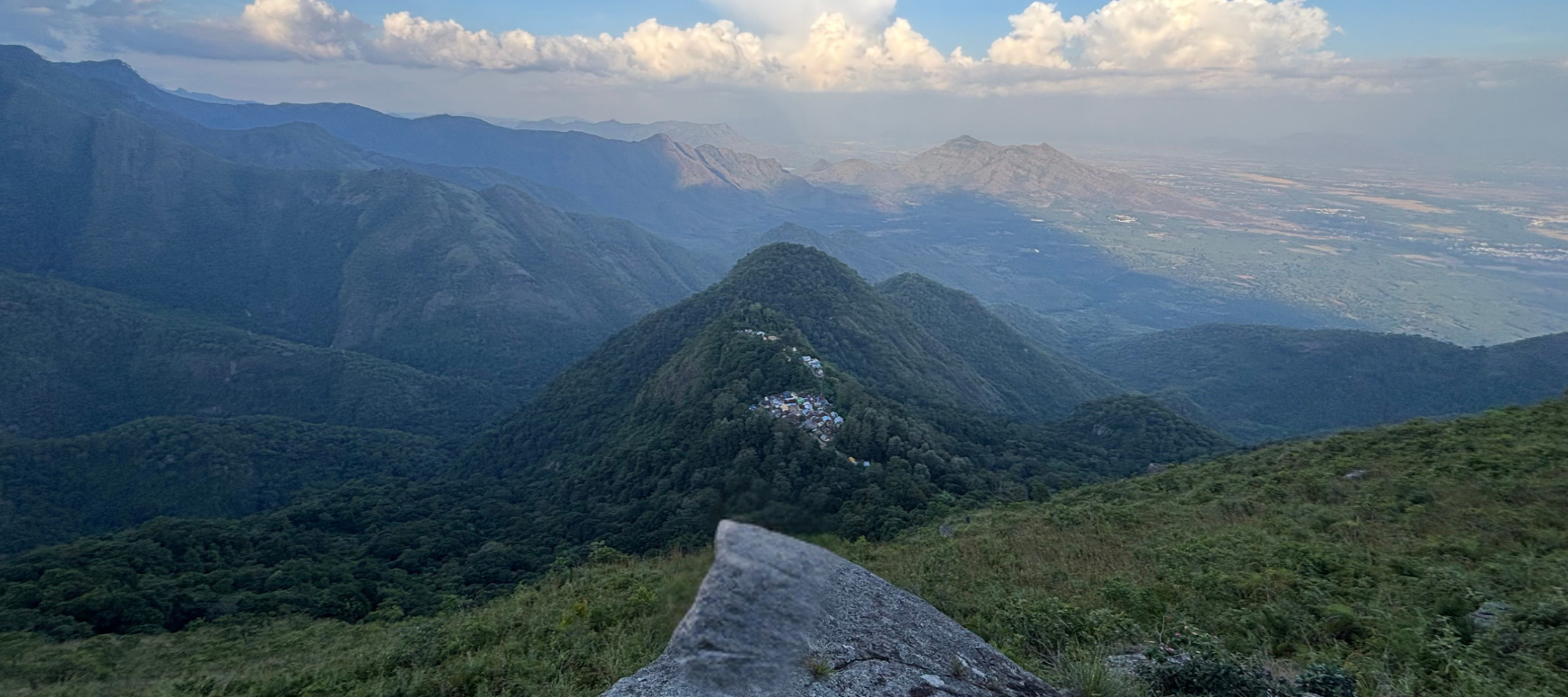
After waking up fresh, it is time for the final leg of your journey: returning via the Kodaikanal route.
Most hikers choose to climb upward toward Vattakanal and Dolphin’s Nose, completing the classic circuit. This stretch of the Vellagavi trek distance tests your stamina once more as you make a steady uphill climb out of the basin.
As you hike up past rocky edges and winding ridge paths, take regular breaks to catch your breath and look back at the distant forests you conquered. Hitting the finishing point near Kodaikanal brings a tremendous sense of personal confidence and accomplishment.
Because of the difficulty and remote nature of the route, this trek is best done with an authorised guide and organised group. Good fitness and prior trekking experience are strongly recommended.
Operators such as Exoticamp can arrange guided departures with the necessary permits, camping, and logistics handled.
Back
Popular Post
Yes, local forest department permissions or entry clearances are generally required. Booking through an organised operator like Exoticamp ensures all necessary administrative permits are handled smoothly for you.
Pack light and use a comfortable backpack rather than suitcases or duffels. Since everything is carried on foot, bring only essentials like spare clothes, personal medications, and toiletries.
Domestic electricity is available in the village, and recent campers have reported charging points at the campsite. Mobile coverage exists but is often patchy or unavailable on the trail. Carry power banks and a fully charged phone/torch.
Local hosts and support teams prepare simple, fresh, home-cooked vegetarian or non-vegetarian meals. Expect comforting regional dishes that provide great energy after a long hiking day.
This is a steep, remote trail. It is best undertaken with an authorised guide and organised group. Good fitness and prior trekking experience are required. It is not recommended for complete beginners.



_20241220T111256111Z.jpg)
_20240802T132547842Z.jpg)
_20240829T102838750Z.jpg)
