Loading...
Destinations
Why Monsoon is the Best Time to Visit Meghalaya (June September Guide)

Team Social Exoticamp
8 Apr 2026Ask people when to visit Meghalaya, and they will tell you to wait for the dry winter months. But if you want to see Meghalaya in its truest, most raw form, you have to go when the clouds actually arrive.
Meghalaya, literally translated as the "Abode of Clouds," is pure paradise in the monsoon season (June to September). Yes, the rain comes down in sheets, but it turns Meghalaya into an emerald wonderland you’ll never forget. When you visit Meghalaya during these months, you aren't just seeing a destination but witnessing a landscape transformed.
Ready to trade your usual vacation for misty mornings, thundering waterfalls, and hills so green they almost glow? Here, Exoticamp will walk you through why June through September might just be the absolute best time to visit Meghalaya.
If you think you know the color green, wait until you see the East Khasi Hills in July. During the dry months, the landscape is beautiful, sure, but the monsoon turns the volume up to eleven.
Relentless rains (especially in places like Sohra and Mawsynram) transform Meghalaya into a lush paradise. The forests burst with life, tea estates glisten, and every slope looks like it’s been freshly painted by nature herself.
Moss-covered rocks, dripping ferns, and thick canopies create a rainforest-like atmosphere that feels refreshing and rejuvenating. Even if you’re not a hardcore nature buff, you’ll find yourself stopping every few minutes just to soak in the views (and maybe the rain too!).
One of the biggest perks of visiting during the monsoon? You get Meghalaya almost to yourself.
Peak tourist season usually hits in winter or post-monsoon when the skies clear up. But from June to September, the visitor numbers drop significantly. That means shorter queues or none at all at popular spots, easier bookings for stays, and more peaceful experiences overall.
Instead of jostling with crowds at viewpoints, you can take your time admiring the scenery. Many hotels and homestays offer off-season discounts too, making your trip lighter on the wallet without compromising on comfort.
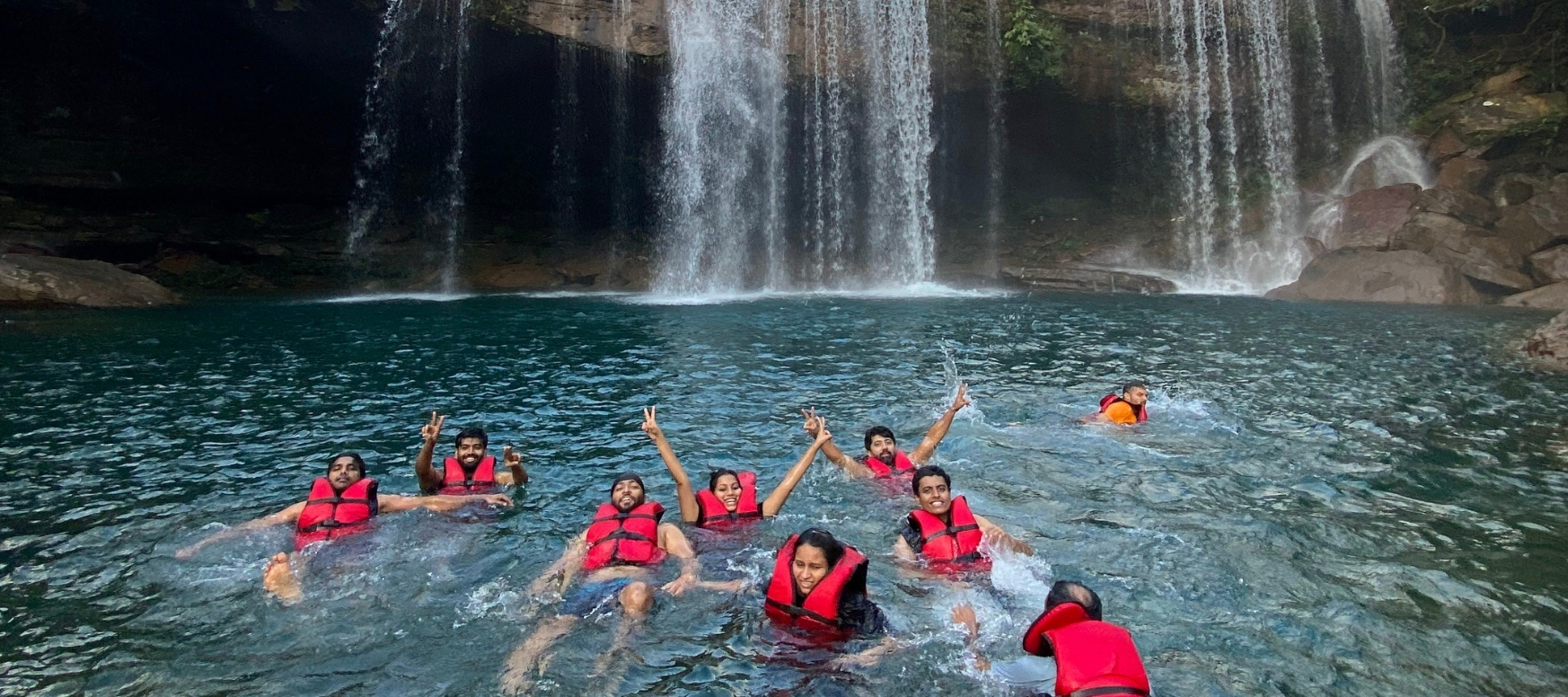
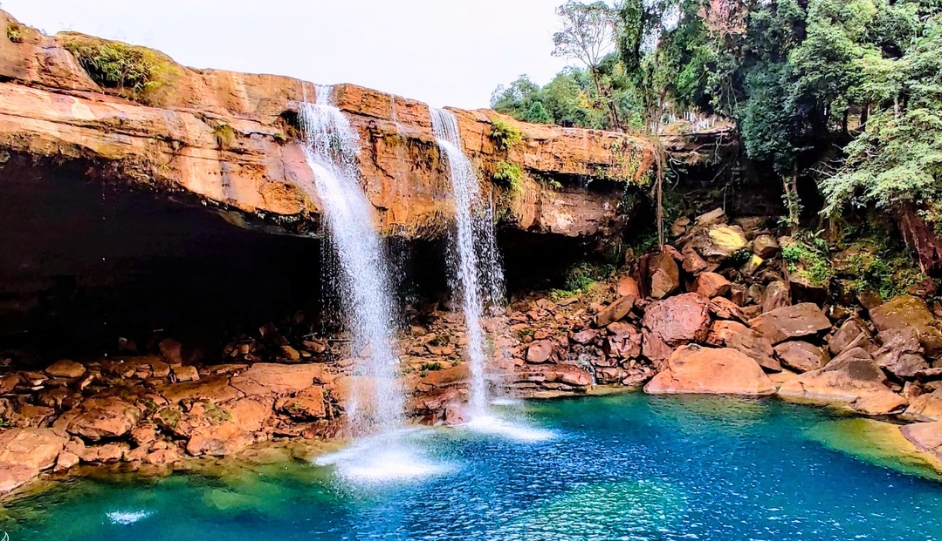
Meghalaya is the land of a thousand waterfalls. But during the winter, many of the state’s famous waterfalls, like the Seven Sisters Falls or NohSngithiang, dwindle to a mere whisper. But during the monsoon? The waterfalls roar, cascade, and put on a show like nowhere else.
Nohkalikai Falls, one of Asia’s tallest plunge waterfalls, transforms from a gentle trickle into a powerful, thunderous curtain of white water plunging into a turquoise pool below.
Seven Sisters Falls (also known as Nohsngithiang) comes alive with seven distinct streams rushing down the cliff face. Other gems like Elephant Falls, Wei Sawdong, and Kynrem Falls reach their dramatic peak.
Visit Meghalaya in its wettest state, and the sheer power of these falls is enough to take your breath away.
Planning a trip to a high-rainfall zone can be tricky if you’re doing it alone. You need to know which roads stay open, which treks are safe, and where the best "cloud-viewing" spots are.
A curated experience like the Exoticamp Meghalaya Tour Package takes the guesswork out of your adventure. Our itinerary is designed to help you soak up the monsoon vibes without worrying about the logistics of mountain travel in the rain.
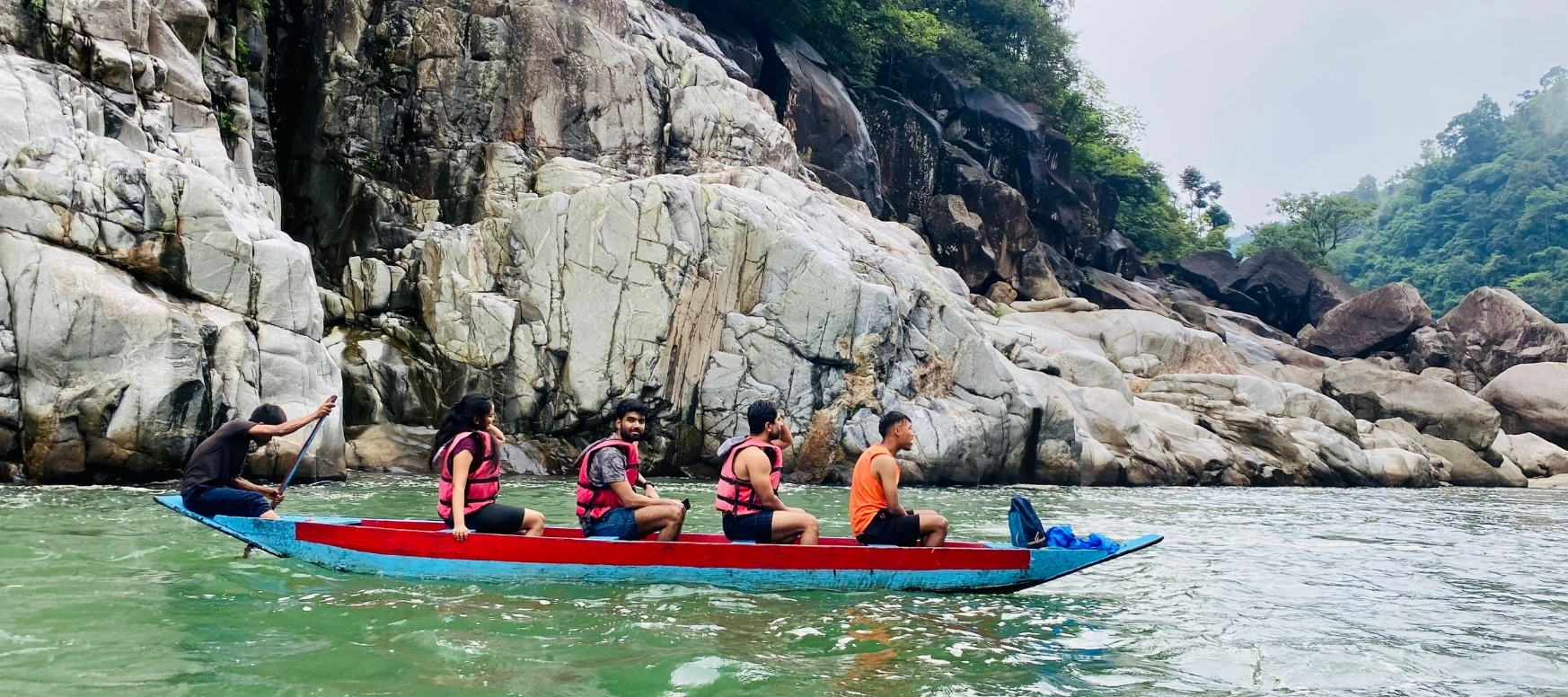
Meghalaya earns its nickname “Abode of Clouds” for a very good reason, and nowhere is this more literal than in Mawsynram and Sohra (Cherrapunji).
During June to September, low-hanging clouds wrap around the hills. That creates a dreamy, ethereal atmosphere where you feel like you’re literally walking through the sky.
In Mawsynram, the wettest inhabited place on the planet, heavy showers and thick mist are daily companions. The village feels otherworldly. They are quiet and shrouded in fog, with the constant gentle (or not-so-gentle) sound of rain. Nearby Sohra offers similar magic, with panoramic views that disappear and reappear as clouds roll in and out.
_20260408T074913592Z.jpg)
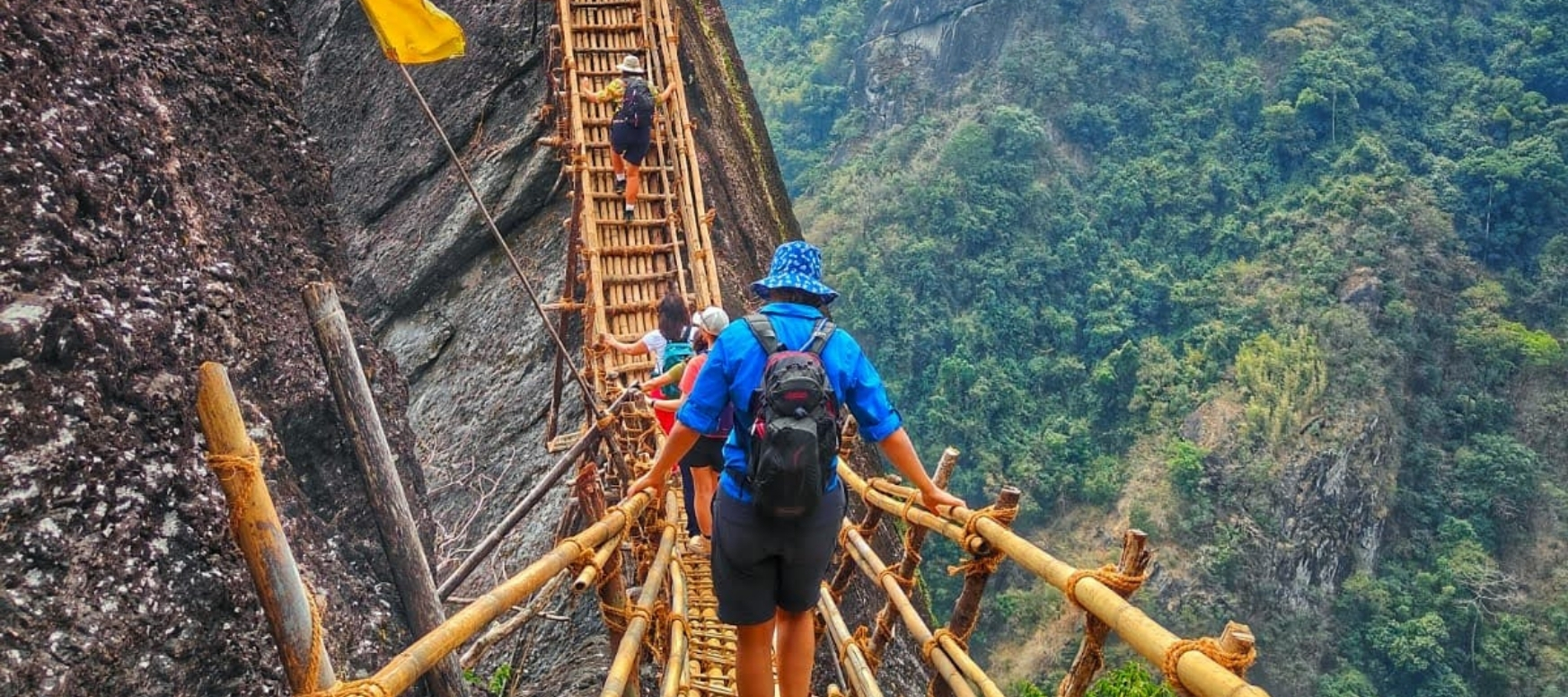
One of Meghalaya’s most unique wonders is the Jingkieng Jri, or the Living Root Bridges. They look best during the monsoons. These incredible structures, crafted over generations by the Khasi tribes using the flexible roots of rubber fig trees, gain extra vitality in the wet season.
The constant moisture helps the roots grow stronger and greener, making bridges like the famous Double-Decker Root Bridge in Nongriat look lush and alive. Trails to these bridges wind through dense, dripping forests that feel primeval. The bridges themselves seem to pulse with life as water trickles around them and the surrounding vegetation thrives.
Traveling to Meghalaya in the monsoon requires a bit more than just a "can-do" attitude. You need the right gear to ensure you enjoy the rain rather than suffering through it.
Meghalaya in the monsoon isn't for everyone. It’s for the rain-lovers, the peace-seekers, and anyone who wants to see nature at its loudest and most raw.
From the thundering falls of Sohra to the quiet, misty lanes of Shillong, the monsoon brings out a side of Meghalaya that the winter sun just can't replicate. It’s raw, it’s green, and it’s waiting for you.
Ready to Start Your Adventure? Book Your Monsoon Escape With Exoticamp Today!
Back
Popular Post
Yes, monsoon (June to September) is one of the best times to experience Meghalaya in its raw beauty, with lush greenery, misty landscapes, and powerful waterfalls.
Meghalaya gets heavy rainfall and dense cloud cover, especially in places like Mawsynram and Cherrapunji, making it feel like you're literally walking through clouds.
During monsoon, you can: Witness waterfalls in full force Walk through clouds in Sohra & Mawsynram Trek to living root bridges Explore lush rainforests
Top waterfalls include: Nohkalikai Falls Seven Sisters Falls Elephant Falls Wei Sawdong Falls These are at their most powerful during the rainy season.
Yes, monsoon is an off-season for tourism, so: Fewer crowds Better stay availability Lower prices
Yes, but with precautions: Check weather conditions Avoid risky treks during heavy rain Travel with local guidance or curated plans
Essential items include: Waterproof jacket or poncho Waterproof trekking shoes Quick-dry clothes Backpack rain cover Insect repellent
Yes, and they are actually at their best during monsoon, appearing greener, stronger, and more vibrant due to continuous rainfall.
A 4 to 6-day trip is ideal to cover: Shillong Cherrapunji (Sohra) Dawki Mawlynnong



_20241220T111256111Z.jpg)
_20240802T132547842Z.jpg)
_20240829T102838750Z.jpg)
