Loading...
_20261111T060649754Z.png)
Long Trips
Meghalaya Trip Planning Mistakes

Team Social Exoticamp
10 Nov 2026Meghalaya has enough waterfalls, living root bridges, limestone caves and hill villages to fill several trips. The challenge is deciding what fits your time, fitness level and travel season. A place that looks close on a map can be hours away on winding hill roads, while a famous trek may take most of the day.
If you are visiting for the first time, these five Meghalaya trip planning mistakes are worth avoiding. Each one comes with a practical way to build a more realistic itinerary.
| Best overall travel window | October–April for sightseeing and most treks; monsoon has different trade-offs. |
| Typical trip length | 3–4 days for a compact circuit; 5–6 for key highlights; 7+ for treks and slower travel. |
| Main arrival gateway | Guwahati airport in Assam; approximately 118 km by road to Shillong. |
| Shillong to Dawki / Umngot | Approximately 80–85 km; allow around 3 hours, longer with stops or delays. |
| Nongriat trek | Approximately 3,000–3,500 steep steps each way from Tyrna; a guide is required for trekking in East Khasi Hills. |
Distances and travel times are approximate. Roadworks, rain, traffic and the precise departure point can change them.
A common first-time plan puts Shillong, Sohra (Cherrapunji), Dawki, Mawlynnong, the Jaintia Hills and multiple treks into one long weekend. You may see many pins on a map, but spend most of the trip in a vehicle.
Even Shillong to Dawki is about 80–85 km and typically takes around three hours by road. Add photo stops, meals and changing hill-road conditions, and a “quick” day becomes full. Travelling between Sohra and the trailhead at Tyrna takes another 30-45 minutes before the Nongriat trek even begins.
3–4 days: Choose Shillong plus Sohra, or Shillong plus the Dawki–Mawlynnong side. Keep the route compact.
5–6 days: Combine Shillong, Sohra, Dawki and one or two nearby villages, but avoid treating every viewpoint as a mandatory stop.
7–9 days: Add a full trekking day, an overnight in Nongriat, longer walks or a slower stay in the Jaintia Hills.
Planning tip: Group nearby stops on the same day. Reserve separate time for long treks and a buffer for road delays, particularly when catching a return flight from Guwahati.
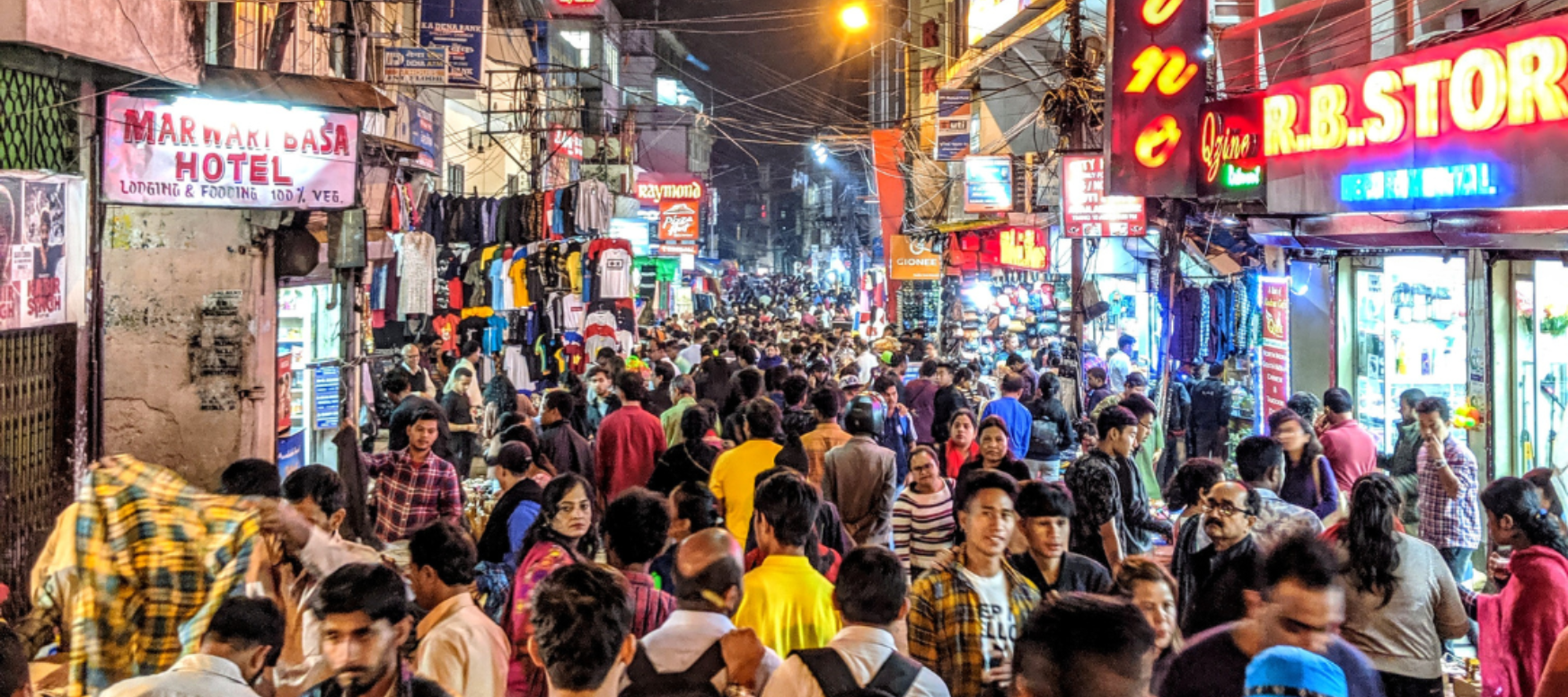
The Umngot River at Dawki and the waterfalls around Sohra do not look the same every month. Heavy rain can make waterfalls more powerful but also cloud viewpoints, muddy rivers and interrupt outdoor activities.
For most first-time visitors, October–April is the more flexible season for sightseeing and trekking. Meghalaya Tourism identifies May–September as the broad monsoon period. There is no single “best” month for everyone: it depends on whether you prioritize clear rivers, high-flow waterfalls or drier trekking paths.
The Double Decker Living Root Bridge is remarkable, but it is not a casual viewpoint stop. You reach it on foot from Tyrna village, around 30–45 minutes by road from Sohra. The trail descends roughly 3,000–3,500 stone steps, and the difficult part for many travellers is climbing them again on the return.
Allow most of a day for the round trip, particularly if you are not used to sustained stair climbing. The trek is physically demanding rather than technically complex; it can be unsuitable for travellers with limited mobility or significant knee problems. Rainbow Falls involves an additional hike beyond Nongriat and should not be squeezed into a rushed outing.
Important rule: The East Khasi Hills administration announced on 30 June 2025 that tourists must use tourist guide services while trekking in the district. Arrange a local guide and reconfirm current trail access before setting out.
Start early, wear footwear with reliable grip, and carry sufficient drinking water, snacks and rain protection.
Consider an overnight homestay in Nongriat if you want more time at the root bridge or hope to continue to Rainbow Falls; confirm the stay and guide in advance.
Expect mobile reception, charging and payment facilities to vary in the valley. Download offline directions and carry some cash.
If a demanding trek is not suitable, choose the easier single living root bridge visit near Riwai/Mawlynnong instead.
Wari Chora is a remote river-canyon experience in South Garo Hills, not a short detour from Meghalaya’s usual Shillong–Sohra–Dawki circuit. Meghalaya Tourism places it approximately 285 km from Shillong and notes an onward journey of about two hours from Baghmara to the canyon area.
That is before allowing for any local access arrangements, walking and river activities. Conditions and services can change with rain and water levels. Local guidance is especially important in this area.
A more practical way to visit Wari Chora
Treat it as a separate extension rather than adding it to a packed day of Shillong sightseeing.
Confirm transport, local guides, river activities, required fees, accommodation and the final approach before travelling.
Allow substantial travel time in both directions and avoid tight flight or hotel connections immediately afterwards.
October–May is listed as a generally favorable period by Meghalaya Tourism, but access and activity operations still depend on current conditions.
Planning tip: If you only have five or six days, a well-paced Khasi and Jaintia Hills itinerary is usually more sensible than forcing Wari Chora into the same trip.

Nohkalikai Falls, Seven Sisters Falls and Elephant Falls are worthwhile stops. But a Meghalaya itinerary built only around roadside viewpoints misses some of the region’s most distinctive experiences. Add one or two cultural or nature stops that fit the route instead of adding every attraction you see online.
Three worthwhile additions
Mawsmai Cave, Sohra: A limestone-cave visit that fits naturally into a Sohra sightseeing day. Check opening and access conditions locally.
Mawphlang Sacred Grove: About 25 km from Shillong. Go with local guidance and respect Khasi conservation rules; visitors should not remove natural objects from the grove.
Mawlynnong and the nearby Riwai root bridge: A village-and-short-walk option that pairs more naturally with a Dawki-side itinerary than a full Nongriat trek.
If food and culture interest you, set aside time for a Shillong market and try a local Khasi dish such as Jadoh. Respect village privacy and ask before photographing residents. The goal is a balanced itinerary, not a longer checklist.
Arrival: Guwahati airport is a common gateway. Meghalaya Tourism lists it about 118 km from Shillong. Leave enough time for the road transfer and your return flight.
Transport: Pre-arranged cabs or organised local transfers are usually easier for multi-stop itineraries; shared transport to smaller villages may require extra connections.
Guides and entry rules: Indian travellers generally do not require a Meghalaya Inner Line Permit, but should carry government photo ID. Trekking in East Khasi Hills requires guide services; check any updated tourist registration rules or local restrictions before departure.
Connectivity and payments: Mobile signal is generally more reliable in towns than on remote trails. Download maps, bring a power bank and keep cash for smaller stops.
Weather and packing: Pack grippy shoes, a waterproof layer, quick-drying clothes, medication and drinking water. Heavy rain may change road access and activity schedules.
The best itinerary depends on how active you want the holiday to be. Exoticamp offers different Meghalaya group-trip formats, so compare the published day-wise plan and inclusions before choosing.
7D/6N Explore Northeast Meghalaya: Suited to active travellers looking for a broader circuit with guided treks, living root bridge experiences, waterfalls and a mix of riverside camping and homestays, subject to the selected departure itinerary. View the 7-day trip
7D/6N Meghalaya Girls Trip: A separate women-only group departure. Check the exact batch route and trekking requirements rather than assuming it is the same as a no-trek trip. View the 7-day girls trip
5D/4N Meghalaya Women-Only No-Trek Trip: Designed for travellers who prefer waterfalls, caves, villages, Dawki boating and organised group sightseeing without the strenuous Nongriat trek. View the no-trek option
Compare the current departure dates, accommodation type, meal coverage, activities, guide arrangements and exclusions on the relevant booking page. Weather-related itinerary changes and additional personal expenses should be considered before paying.
Planning your budget from Chennai? Read our Meghalaya trip cost and 7-day budget guide
Comparing group-trip formats? See our Meghalaya group trip guide
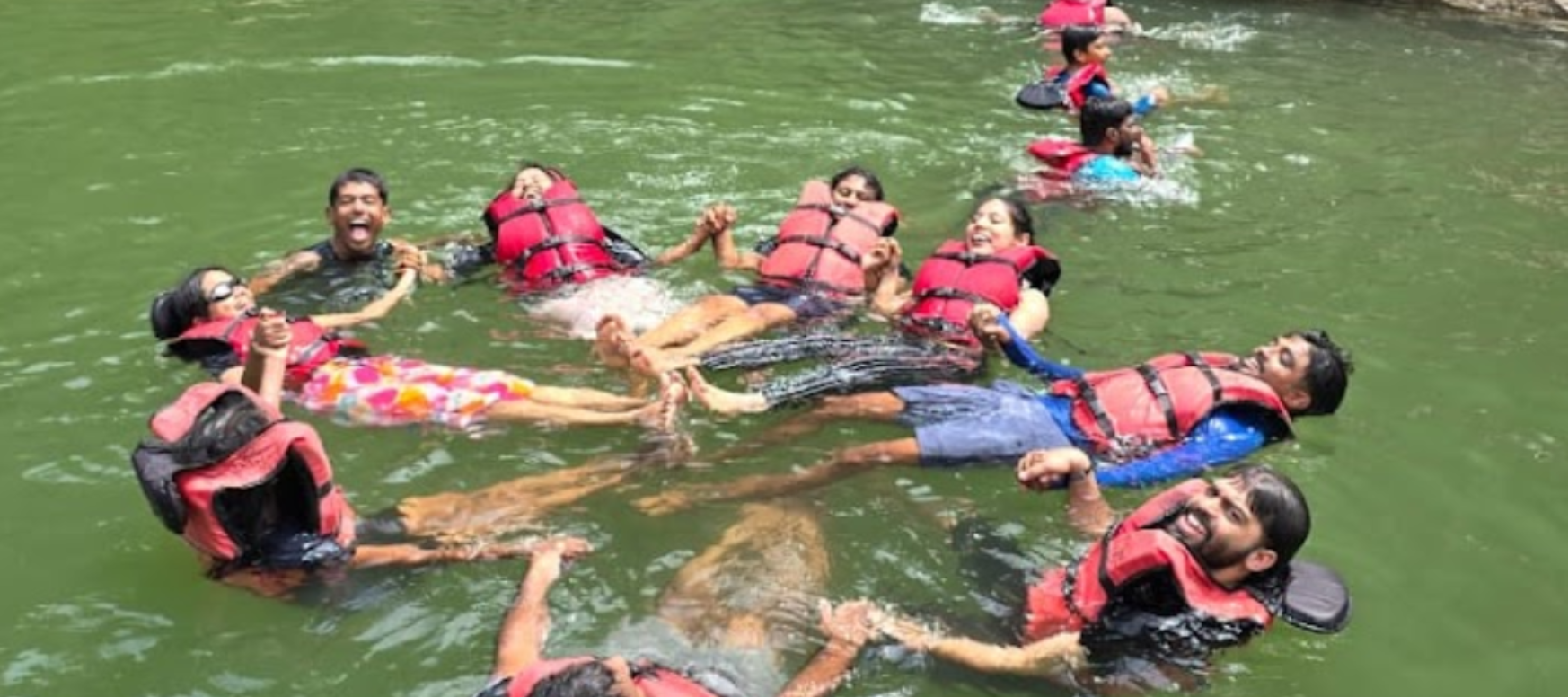
A first Meghalaya trip works best when you choose your travel season, group nearby destinations and budget honestly for road time and trekking effort. Do that first; then decide which waterfalls, root bridges, villages and outdoor experiences fit comfortably into the days you have.
Back
Popular Post
Five to six days is a practical starting point for Shillong, Sohra, Dawki and nearby attractions. Three or four days works for a smaller circuit, while seven days or more allows space for longer treks and slower travel
October and November are good all-round choices after the main monsoon; March and April also suit sightseeing and many treks. November to February is often better for clearer Umngot River water. Visit during the monsoon mainly if you prioritize high-flow waterfalls and can keep plans flexible.
Yes. It involves approximately 3,000–3,500 steps each way, including a sustained climb back to Tyrna. The trek is physically demanding; a local guide is required for trekking in East Khasi Hills.
Yes. You can build a trip around Shillong, Sohra viewpoints, accessible caves, Dawki boating, Mawlynnong and the shorter Riwai root bridge visit. Choose a no-trek itinerary rather than assuming all Meghalaya packages are easy.
Indian tourists generally do not need a Meghalaya Inner Line Permit. Carry valid government photo ID and check current entry or tourist-registration advisories before travelling; local trekking and attraction rules are separate.
Most visitors use Guwahati airport or railway station in Assam and travel by road to Shillong. Meghalaya Tourism lists Guwahati airport at approximately 118 km from Shillong. Confirm your flight timings against your onward transfer.
Do not rely on them in remote villages, deep valleys or canyon areas. Connectivity and electricity can vary, so carry a power bank, download offline maps and keep cash available.
You can visit the area when road access is permitted, but river water may be murky and boating or other water activities may be suspended because of weather, current and operator restrictions. The floating-boat photo effect is not guaranteed on a fixed date.



_20240829T102838750Z.jpg)

_20241220T111256111Z.jpg)
_20240802T132547842Z.jpg)